Customs Broker
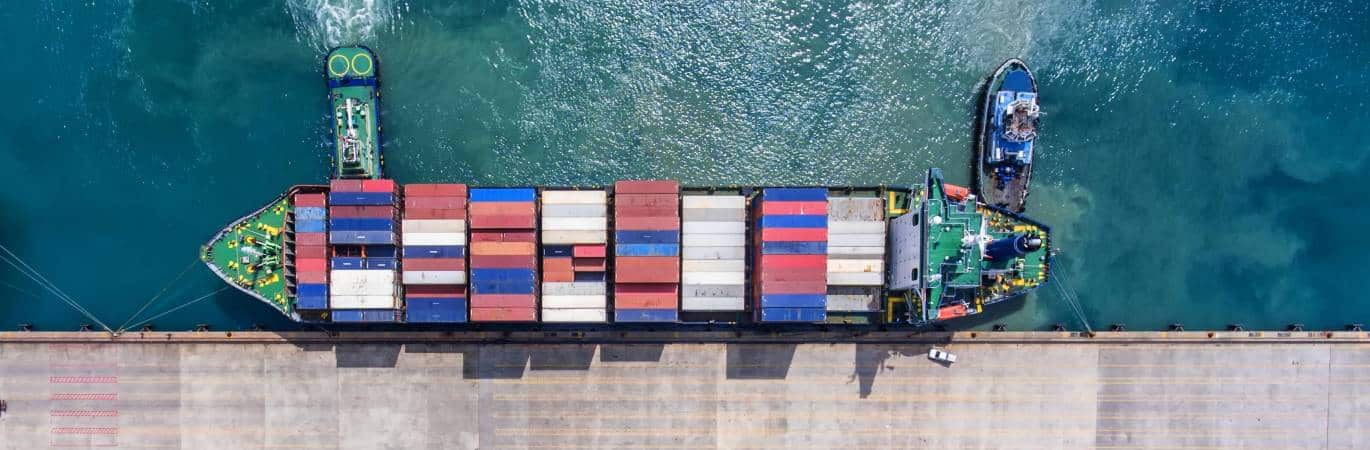
Customs Broker

Import Broker
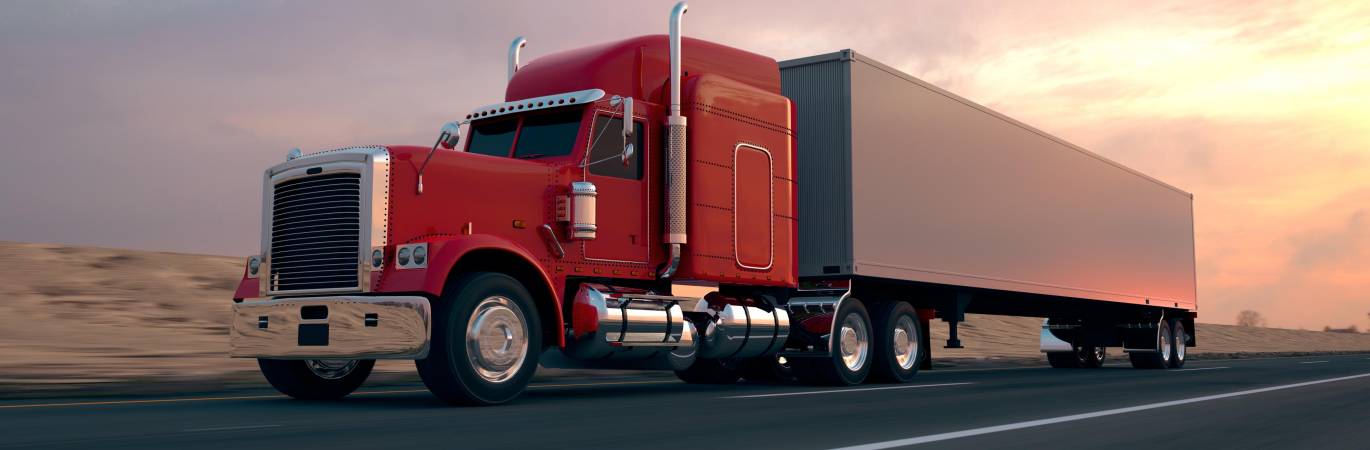
Freight Forwarder

Global Logistics
Gallagher Transport is a customs broker, import broker, freight forwarder, and global logistics provider with over 25 years of experience. The company prioritizes client success through proactive communication and personalized service.
- We handle FDA, EPA, and DOT regulated items across many industries and clear shipments at all U.S. ports. Our services include customs clearance, cargo insurance, customs bonds, duty drawback assistance, and freight forwarding.
- We take time to understand your business process and provide customized solutions. Our team communicates before issues arise to help avoid unexpected delays or fines.
- We build lasting relationships with clients - some have been with us over 20 years. Our brokers review work carefully to prevent errors and keep you updated on shipments regularly.
A customs broker is a licensed professional who helps importers and exporters navigate international trade regulations. They handle documentation, calculate duties and taxes, and work with government agencies to clear shipments through customs. By managing communication and deadlines, customs brokers save businesses time and money while making sure goods are delivered efficiently and cost-effectively.
Your Goods Are in Good Hands with Gallagher Transport
At Gallagher Transport the client always comes first. Our success is measured by your success. Our goal is to make your job easier by staying on top of communication and deadlines to save you time and money by ensuring your valuable shipments are delivered in the most efficient and cost effective way.
We take the time to educate you on what you need to know regarding the regulations for your specific product, communicate with you BEFORE an issue happens to help avoid unexpected delays or possible fines, and stay on top of your shipments every step of the way.
With over 25 years as an import broker, freight forwarder and logistics supplier, we have extensive experience working with importers and dealing with all commodities. We strive to make this critical piece of your supply chain go as smoothly and seamlessly as possible.
We have clients who have been with us for over 20 years. Read on for what our customers say about us:
“Always top notch service.” – Dan K., New World
“All my experiences are great! Always get the information and help I need. Thank you.” – Gwen M., Dynic USA
“All shipments Gallagher Transport has handled have been positive experiences. Even the difficult shipments.” – Franco Y., The Pasha Group
Questions? We are always happy to help. Call 303‑365‑1000 or email us.
Why Choose Gallagher as Your Customs Broker:
Experts in the Import Field:
- We have experience in many industries and product lines including:
- FDA regulated items such as perishables, wine, alcohol and medical equipment
- EPA/DOT regulated
- Specialty equipment
- Apparel
- We stay up to date on the ever changing customs regulations as well as policies pertinent to imports from the FDA, USDA, Fish & Wildlife and the EPA.
- We can coordinate the transportation of your freight whether by land, sea or air.
- We clear shipments at all U.S. ports.
- We have been in the customs broker and logistics business for over 25 years and care about your business and goods.
Our Services Include:
- Importing & Exporting Consultation
- ISF – Import Security Filing for all import shipments arriving by ocean into the United States. This formality is required prior to export from the last foreign port to avoid penalty.
- Cargo Insurance – Cargo insurance, sometimes referred to as freight insurance provides a cost effective way of covering your freight for physical loss or damage to goods in transit.
- Customs Bonds – A Customs bond is required when importing merchandise for commercial purposes that are valued over $2,500 or a commodity subject to other federal agencies requirements (i.e. ATF or FDA).
- Customs Clearance – We enable companies to bring goods into the U.S. from another country. A simple way to think about customs clearance is an electronic notification given by customs to an importer to show that customs has released their shipment and it can be shipped to its final U.S. destination.
- Duty Drawback – In addition to standard U.S. Customs clearances, we can assist you with duty drawback. This is a U.S. Customs program that allows exporters to receive a refund of 99% of the import duties paid, based on product and procedure qualifications.
- Compliance Review – We ensure that your shipment is in compliance with laws and regulations.
- Global Logistics – We can assist you every step of the way in getting your goods from the point of origination to your final destination.
- Freight Forwarding – We enable companies to ship goods from the U.S. to another country. (Freight Forwarding is a VERY generic term. We provide freight forwarding now for our imports for both ocean and air imports. Freight Forwarding does not only apply to export.)
Helpful:
- We take time to understand your business process, including terms of sale, payment terms, and urgency of shipment.
- We understand all the details that may impact brokerage costs, and reduce these costs whenever possible.
- We provide a customized solution specifically for you.
Proactive:
- We keep you updated on your shipments regularly so there are no surprises.
- We keep a close watch for potential events that may affect your shipments and do everything possible to avert them or rectify them without delays.
Reliable:
- Our brokers will work with you so you will have a relationship instead of a customer service number to call
- We review our work to prevent typographical, clerical or product classification errors.
- We pride ourselves on providing you personalized service and a positive experience
Ready to learn more? Our brokers are happy to answer any of your questions right now!
Call 303‑365‑1000 or email us.